

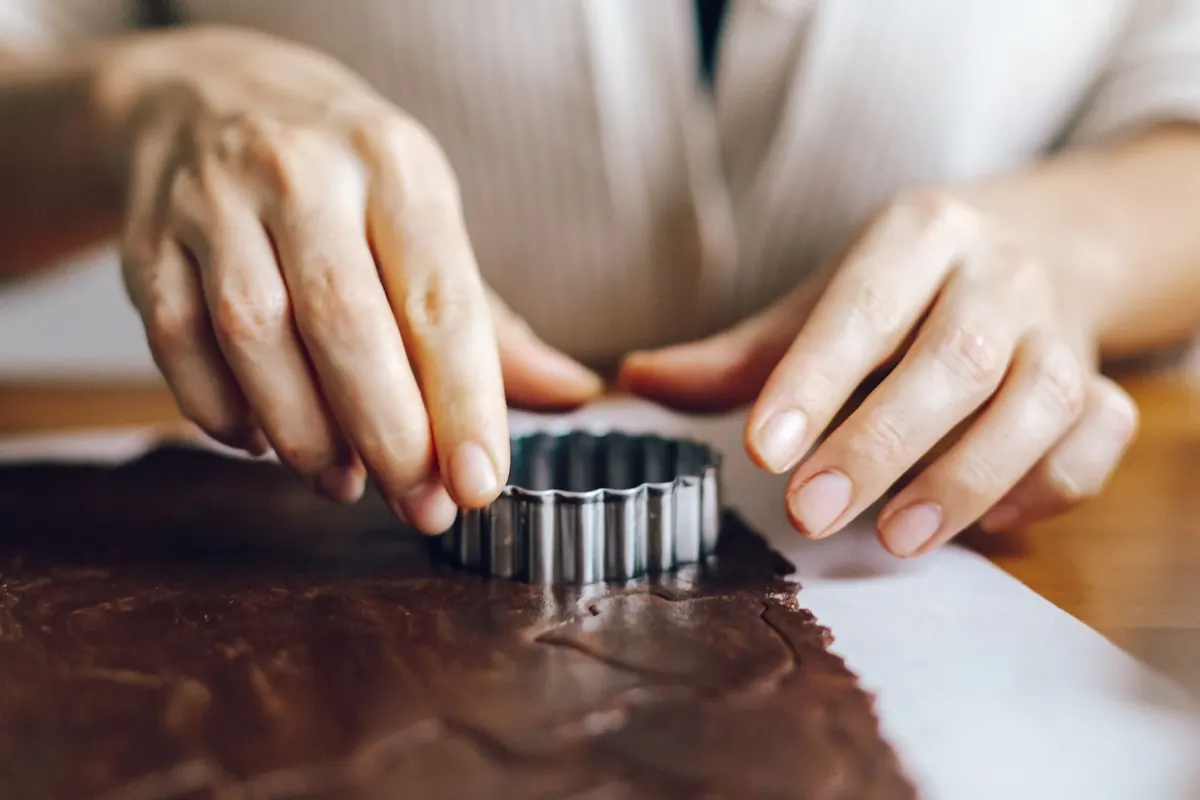



A Christmas pudding made three weeks before the big day tastes fine. Made in November, it tastes better. Made in October and left to sit quietly in a cool cupboard, it tastes like something you'd be pleased to be given. That's the whole argument for making it ahead, and it's the reason this dessert has outlasted almost every other British tradition.
None of it is difficult. The pudding is a bowl of dried fruit, sugar, spice and suet stirred together with eggs and a slug of something strong. The steaming takes time, not skill. What catches beginners out is the calendar: how early to start, how long it keeps, and what to do on the day so you aren't fishing a cold cannonball out of the fridge at four o'clock.
Here's a sequence that works, with the reasoning behind each step.
Why the Pudding Improves With Waiting
Most cakes go stale. Christmas pudding goes the other way. The dried fruit and sugar hold moisture, the alcohol helps preserve it, and over weeks the flavours stop sitting separately and start tasting like one thing. Spices soften, the sharpness of the peel mellows, and the texture firms up so it slices rather than crumbles.
That change takes weeks, not days. It also explains why the pudding wants a cool, dark place rather than the fridge: warmth and light do it no favours, and a fridge will dry it out once the wrapping fails. A cupboard in an unheated room, a garage shelf or the bottom of a wardrobe all work, as long as the temperature stays fairly steady.
The Timeline, Start to Finish
- Five to eight weeks before Christmas, or earlier: mix and steam the pudding. Traditionally this lands on Stir-Up Sunday, the last Sunday before Advent, which usually falls in the second half of November.
- The day after steaming: cool it completely, wrap it, and put it away.
- Every two or three weeks: if you like, unwrap it and spoon over a little brandy, rum or sherry, then rewrap. Optional, but it deepens the flavour and keeps the surface moist.
- Two days before: check it over, move it somewhere convenient, and get your steaming setup ready.
- Christmas Day: steam for about two hours and turn it out onto a warm plate.
A pudding made in October and stored properly is very good. One made a year ahead and fed regularly is better still, though nothing is gained by rushing the cooling or skimping on the wrapping.
Mixing Day: What Actually Matters
Recipes vary more than people expect, and almost any traditional one will work. The variables that matter are these.
Balance the fruit and the binder
Roughly equal weights of dried fruit and dry mix — flour, breadcrumbs and sugar — keep the pudding from being either stodgy or loose. Currants, raisins and sultanas form the base; mixed peel, glacé cherries and chopped prunes add interest. If you swap anything, keep the total weight the same.
Choose your fat deliberately
Vegetarian suet is widely available and behaves much like beef suet. Butter works too, though it gives a slightly softer crumb. Grate or chop it finely so it disappears into the mix rather than streaking through it.
Stir once, properly
You don't need to stir for an hour. You need to stir thoroughly once, so the fruit is evenly distributed. The old custom of every family member taking a turn with a wish is worth keeping for the pleasure of it, not for the results.
Leave headroom in the basin
About two centimetres is right. Puddings rise a little, and an overfilled basin will push batter under the parchment and out into the water.
Steaming Without Fancy Equipment
You need a lidded heatproof basin, a piece of parchment with a pleat folded into it, and a pot big enough to hold the basin with water coming about halfway up its sides. A strip of foil or string under the basin makes a sling for lifting it out safely.
Put a trivet or an upturned saucer in the bottom of the pot so the basin isn't sitting directly on the heat. Bring the water to a simmer, cover the pot, and keep it at a gentle simmer throughout. Top up with boiling water from the kettle as it evaporates — never cold water, which drops the temperature and stalls the cooking.
Six hours is a fair standard for a one-litre pudding; some recipes ask for eight. Longer steaming gives a darker, denser result, which is usually what you want.
Cooling, Wrapping and Storing
Let the pudding cool in its basin, still covered, overnight. Don't unwrap it while warm: the escaping steam will take moisture from the surface with it.
To store, leave it in the basin or turn it out and wrap it. Either way, use parchment first, then foil, then a plastic bag if you have one. Tie it securely and label it with the date and the recipe. In February you'll be glad you did.
If you want to feed it, unwrap, spoon two or three tablespoons of alcohol over the top, rewrap and put it back. Skip the feeding if you'd rather not, or if the pudding is for children; substitute cooled strong tea or orange juice. Before using it, check for mould, a sour smell or a slimy surface, and discard it if anything seems off.
Reheating on Christmas Day
Steam it again, in the same setup, with the basin covered. Two hours for a one-litre pudding heats it through and brings the surface back to life. Short on hob space? Steam it earlier in the day, keep it covered, then return it to the pot for twenty minutes before serving.
Turn it out onto a warm plate — a cold one will pull the heat straight out of it. Warm a ladleful of brandy, pour it over, and light it at the table if you like. Serve with something cold and runny: brandy butter, custard, or both.
A Short Practical Close
Make the pudding on a day when you'll be home anyway. The work is front-loaded, the waiting is the point, and the finished thing sits in a cupboard getting better while you get on with everything else. If this is your first year, start with one pudding, follow the timeline loosely, and write down what you did. Next year you'll know exactly how long you like to steam it and how much you like to feed it — and that is the only real expertise in Christmas pudding.
Photo: Jana Ohajdova / Pexels