

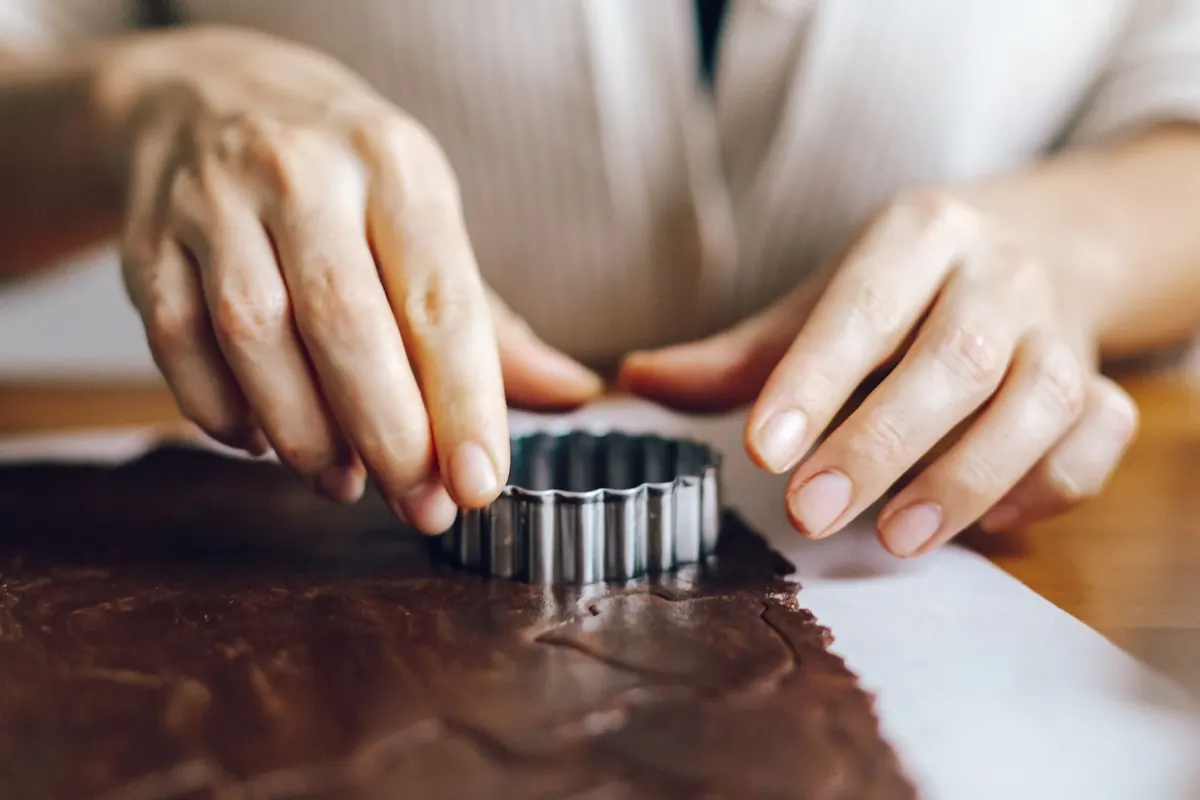


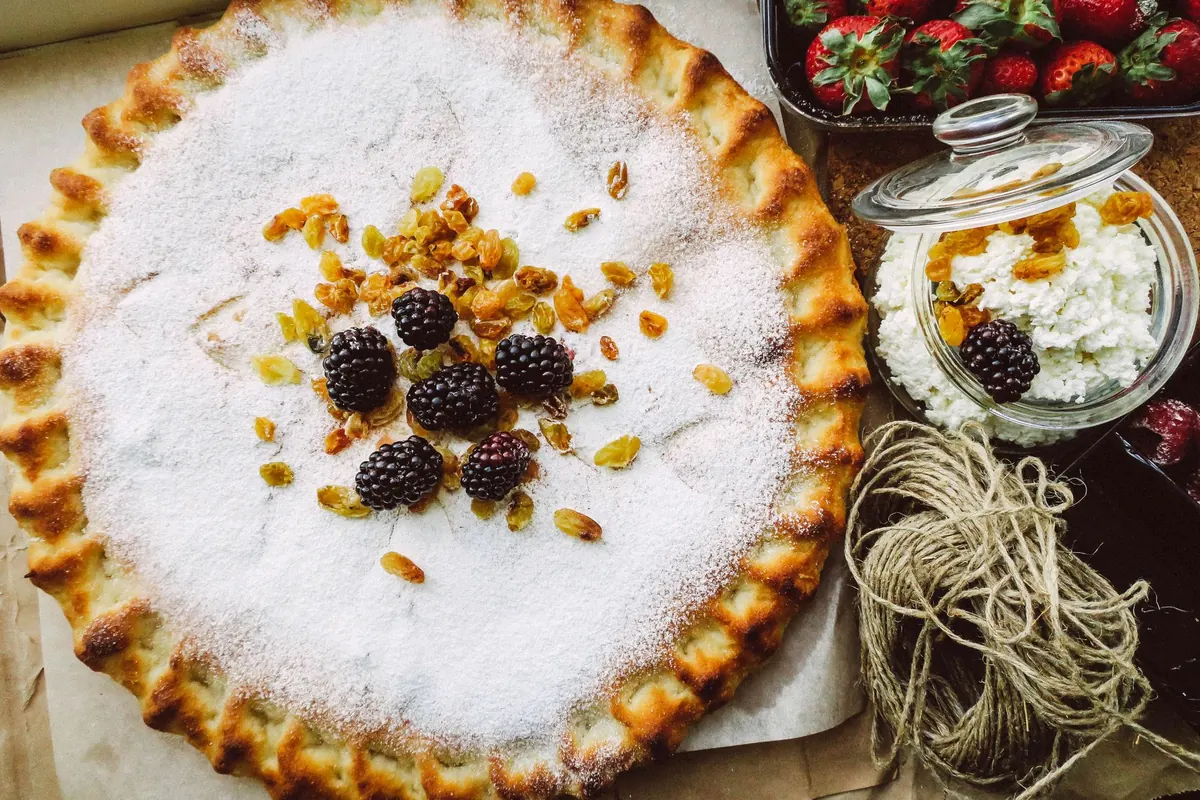
No-bake cookies and baked cookies end up on the same plate, but they get there by very different routes. One leans on a saucepan, a sturdy spatula, and time in the refrigerator. The other needs a hot oven, a little chemistry, and a timer you actually watch. Knowing which method suits your recipe, your kitchen, and your afternoon is the difference between a tray you're proud to share and a sticky blob you eat standing over the sink.
How Each Method Actually Sets a Cookie
Baked cookies rely on transformation. Creaming butter and sugar traps air, baking soda or powder releases gas, egg proteins coagulate, and sugars caramelize around the edges. Heat turns a soft dough into something with structure. Pull the tray two minutes early and you get chew; leave it in and you get snap.
No-bake cookies rely on congealing and binding. Melted chocolate, butter, or peanut butter firms up as it cools. Oats, graham crumbs, crushed cereal, coconut, powdered sugar, and marshmallow hold everything together. Some recipes boil a sugar syrup to the soft-ball stage for chew, and some use gelatin or cornstarch for a firmer set. No heat, no lift, no browning — the structure comes from the fridge and from what you stirred in.
Texture and Flavor: What You Really Get
No-bake
Expect soft, dense, fudgy, and often quite sweet. Chocolate-peanut butter drops, truffles, rum balls, and cheesecake bites all share that cool, creamy bite. Mix-ins do the heavy lifting: toasted nuts, dried cherries, espresso powder, orange zest, a pinch of flaky salt on top. The trade-off is that no-bake cookies warm up fast on a party table and can turn gooey in a hot kitchen. They taste best straight from the refrigerator.
Baked
Baked cookies offer contrast — crisp edge, tender middle, browned butter and caramel notes that only develop in the oven. Drop cookies, cutouts, thumbprints, and slice-and-bake logs all live here. You also get more range: a chewy oatmeal cookie, a snappy gingerbread, a cakey whoopie pie shell. If you want a cookie that looks and tastes like a bakery cookie, you need the oven.
Equipment, Time, and Kitchen Reality
No-bake recipes ask for very little. A saucepan, a heatproof bowl, a spatula, measuring cups, a lined sheet pan, and refrigerator space. That's it — no preheating, no oven thermometer, no rotating pans halfway through. It's also the better choice when it's 95 degrees outside, when the oven is occupied by a roast, or when you're cooking with kids who can handle stirring a cooled mixture.
Baked cookies need more, but the payoff is volume and consistency:
- An oven that holds temperature (an inexpensive oven thermometer solves most guesswork)
- Two light-colored sheet pans so you can rotate batches
- Parchment or a silicone mat, plus a wire cooling rack
- A mixer, or a strong arm and softened butter
- Time for chilling dough if the recipe calls for it
Here's the detail people underestimate: no-bake still takes time. Chilling is usually one to two hours, sometimes overnight. Baked cookies take ten to twelve minutes in the oven, but you may bake three trays in a row, and dough that rests in the fridge for a day develops noticeably deeper flavor.
Food Safety: The Part That Gets Skipped
Flour and eggs
Raw flour isn't sterile. It can carry bacteria, which is why sneaking a spoonful of dough carries a small risk. If your no-bake recipe includes raw flour, toast it first: spread it on a sheet pan and bake at 350°F for five to seven minutes, stirring once, until it smells faintly nutty and reaches about 160°F. Let it cool completely before mixing.
Raw eggs are the other concern. Use pasteurized eggs, an egg-free binder like sweetened condensed milk or cream cheese, or a recipe built around melted chocolate and nut butter. If you're pregnant, immunocompromised, or cooking for someone who is, follow your local food safety guidance and lean toward a fully baked cookie or an egg-free no-bake recipe.
Hot sugar and storage
Boiled sugar syrups for no-bake cookies reach well past the boiling point of water and stick to skin. Keep a bowl of cold water nearby, use a long-handled spoon, and don't let kids near the saucepan. Store no-bake cookies containing dairy, cream cheese, or custard in the refrigerator, tightly covered, and eat them within a few days. Baked cookies keep in an airtight container at room temperature for about a week, and both dough and shaped no-bake balls freeze well for a month or two.
Best Occasions for Each
Reach for no-bake when
You're assembling a holiday tray and need one more item without touching the oven. You're bringing dessert to a potluck in July. You want a project a nine-year-old can finish mostly alone. You need gluten-free or vegan options and want to control every ingredient. You're craving something cold and fudgy at nine at night.
Preheat the oven when
You want that crisp-chewy contrast, a proper snickerdoodle crackle, or a cookie that ships well in a gift box. You're baking a large batch for a bake sale. You want dough you can portion and freeze for fresh cookies on demand. Or you simply want the house to smell like butter and vanilla, which is a legitimate reason.
Choosing in Under a Minute
Run through this the next time you're staring at two recipes:
- Do you need the oven free, or is it too hot to turn it on? Go no-bake.
- Do you want browning, crunch, or a bakery-style look? Go baked.
- Does your no-bake recipe call for raw flour or raw eggs? Toast the flour, swap the eggs, or pick a different recipe.
- How much time do you actually have? No-bake means hands-off chilling; baked means hands-on tray management.
- Who's eating it, and how will it be stored? Heat, humidity, and hours on a buffet table favor baked cookies every time.
Both methods make real cookies. Pick the one that matches the moment, and you'll rarely be disappointed.
Photo: ROMAN ODINTSOV / Pexels